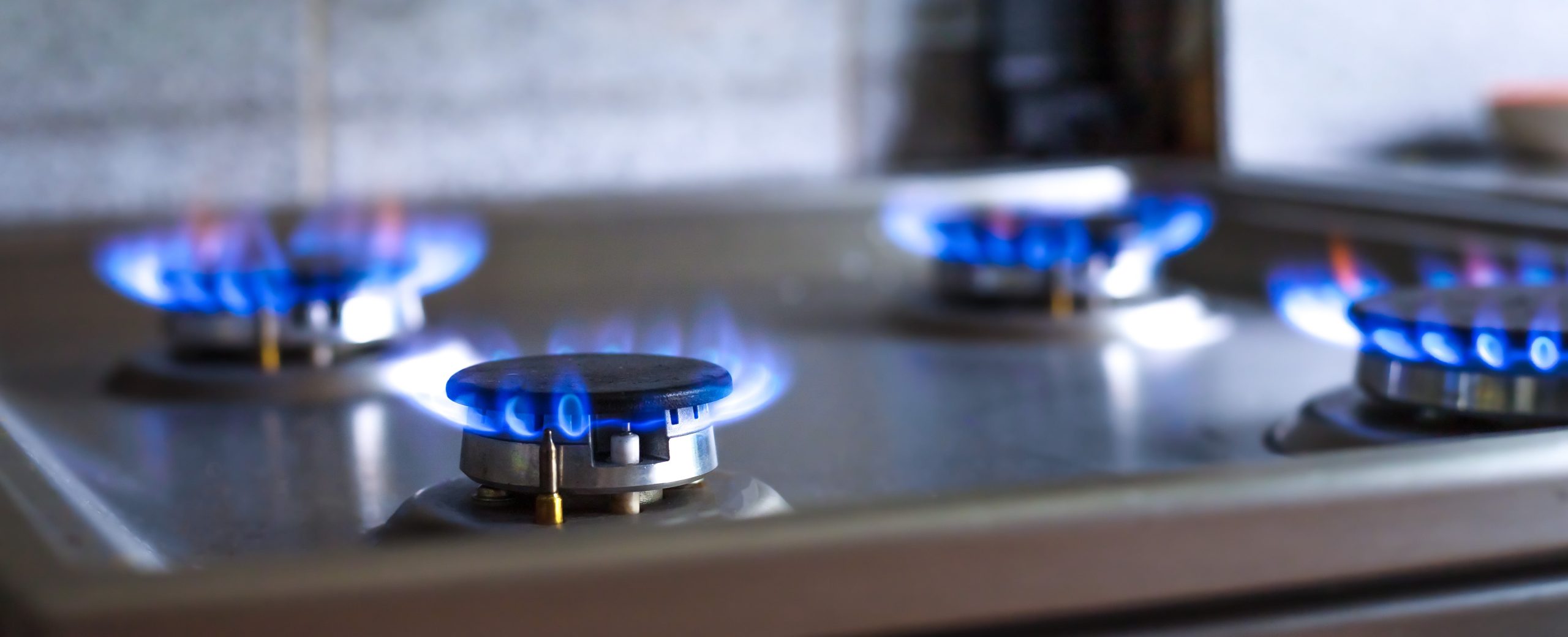
Understanding Gas Fire Safety Certificates in Milton Keynes
Gas safety is a paramount issue for homeowners and proprietors in Milton Keynes, as it is throughout the UK. A gas fire safety certificate plays a crucial function in guaranteeing that gas appliances are protected. This short article will explore the significance of acquiring a gas fire safety certificate, the process included, and the key regulations governing gas safety in Milton Keynes.
What is a Gas Fire Safety Certificate?
A gas fire safety certificate, commonly described as a gas safety certificate or CP12 certificate, is a legal document that accredits that gas-burning appliances, setups, and services within a residential or commercial property are operating safely and efficiently. This certification is vital for property owners and property owners as it provides evidence of compliance with legal safety requirements associated with gas devices.
Significance of a Gas Fire Safety Certificate
- Legal Compliance: The Gas Safety (Installation and Use) Regulations 1998 requireds property owners and proprietors to guarantee the safety of their gas home appliances. Getting a gas safety certificate assists them fulfill legal obligations.
- Safety Assurance: A certificate shows that a qualified Gas Safe registered engineer has checked and evaluated the home appliances, hence ensuring the safety of the occupants and occupants.
- Insurance coverage Requirement: Many insurance coverage companies need a legitimate gas safety certificate before providing coverage, especially in rental homes. It not just safeguards home owners however likewise protects occupants' safety, guaranteeing they live in a safe environment.
- Decreasing Risks: Regular evaluations and getting a gas fire safety certificate can help recognize possible problems before they intensify into harmful circumstances like gas leakages or fires.
The Process of Obtaining a Gas Fire Safety Certificate
To obtain a gas fire safety certificate in Milton Keynes, follow these steps:
Step 1: Hire a Qualified Gas Safe Registered Engineer
The initial step is to engage a competent gas engineer who is registered with the Gas Safe Register. This guarantees that the professional performing the assessment is certified and educated about gas safety guidelines.
Action 2: Schedule an Inspection
When a gas engineer has actually been picked, arrange an inspection. Throughout this assessment, the engineer will examine all gas home appliances, including boilers, gas fires, cookers, and any other gas-related fittings.
Step 3: Inspection Checklist
The engineer will generally check the following:
- Condition of gas devices
- Right installation of devices
- Ventilation requirements
- Flue performance and functionality
- Gas leak detection
- Pressure test of devices
- Safety devices and their correct function
Step 4: Receive the Certificate
If whatever is discovered to be in order and compliant with safety requirements, the engineer will issue a gas safety certificate. Keep a copy of this certificate both for your records and for providing it to renters.
Step 5: Annual Re-assessment
Gas safety certificates stand for one year; for that reason, property owners should make sure that they set up annual examinations to restore their certificates and maintain compliance.
Regulatory Framework in Milton Keynes
Milton Keynes follows national legislation for gas safety, mostly detailed in the Gas Safety (Installation and Use) Regulations. Here are some key policies and protocols:
- Annual Inspection: Landlords need to perform a yearly safety check on all gas appliances they provide.
- Tenant Notification: Tenants should be notified of their rights regarding gas safety, including providing them with a copy of the gas safety certificate prior to the beginning of their tenancy.
- Home appliance Maintenance: Landlords are needed to make sure that all devices are kept effectively and in line with producer recommendations.
- Emergency Procedures: In the occasion of a gas leakage or thought problem, instant action needs to be taken to ensure safety, which consists of informing the Gas Emergency Service (National Gas number: 0800 111 999).
Regularly Asked Questions (FAQs)
1. How frequently should gas safety cert milton keynes ogallagher.link get a gas safety certificate?
A gas safety certificate is typically valid for a duration of 12 months; therefore, it's advisable to arrange an inspection every year.
2. Can I perform a gas safety check myself?
No, only a Gas Safe registered engineer is lawfully qualified to perform gas safety checks. Attempting to do so without the appropriate credentials is unlawful and dangerous.
3. What happens if I do not have a gas safety certificate?
Failure to obtain a gas safety certificate can result in severe legal implications, consisting of significant fines and possible imprisonment. Furthermore, it positions a risk to renter safety and might result in insurance coverage denial in case of a gas-related occurrence.
4. What do I need to do if my gas home appliances fail an inspection?
If a gas appliance stops working inspection, the engineer will advise on the essential actions needed, which may involve repairs, servicing, or replacement of the device to ensure safety and compliance.
5. How can I find a qualified Gas Safe engineer in Milton Keynes?
You can find a qualified Gas Safe registered engineer through the Gas Safe Register site, which enables you to browse for local professionals based on your postal code.
Guaranteeing gas safety is an important obligation of property owners and property owners in Milton Keynes. A gas fire safety certificate not just adheres to legal requirements however likewise provides assurance for both homeowner and renters. By understanding the process of getting this certification and sticking to regulations, individuals can produce a safe living environment and mitigate possible threats related to gas appliances. Routine inspections and active maintenance are the keys to supporting gas safety requirements, ultimately protecting life and property in the neighborhood.